Ag Export Growth: Proven Opportunities in Africa and Asia

Ag export growth is becoming increasingly important as future opportunities lie within Africa and Asia. A recent study highlights the potential for significant expansion in these regions, indicating a shift in global agricultural trade dynamics.
Understanding the Study’s Findings
A recent study highlights significant potential for ag export growth in emerging markets, particularly in Africa and Asia. Researchers analyzed various factors influencing agricultural trade and identified key opportunities that could reshape global exports.
The findings indicate that both regions are experiencing rapid population growth and increasing urbanization, leading to a surge in food demand. The study outlines several critical factors contributing to this trend:
- Rising incomes: As economies in Africa and Asia expand, more consumers are able to afford diverse and higher-quality food products.
- Urbanization: The shift from rural to urban living is altering consumption patterns, driving demand for processed and packaged foods.
- Government initiatives: Many countries are implementing policies to boost agricultural productivity and encourage foreign investment in the agri-food sector.
- Technological advancements: Innovations in farming techniques and supply chain management are making it easier for local producers to meet international standards.
Overall, this study suggests that businesses looking to expand their agricultural exports should consider focusing their efforts on these promising markets. Understanding the dynamics of ag export growth in Africa and Asia could be key to tapping into new revenue streams.
Key Regions for Ag Export Growth
As global demand for agricultural products continues to rise, the focus on ag export growth has shifted significantly towards two emerging regions: Africa and Asia. These regions present unique opportunities for exporters looking to expand their markets and increase profitability.
In Africa, several key factors contribute to the potential for growth:
- Diverse Agricultural Products: The continent is rich in resources, offering a wide range of crops, including grains, fruits, and vegetables.
- Increasing Investment: There has been a notable rise in both domestic and foreign investment in agricultural infrastructure, enhancing production capabilities.
- Growing Population: With a rapidly growing population, the demand for food and agricultural products is expected to surge.
Meanwhile, Asia also holds significant promise for ag export growth:
- Expanding Middle Class: As disposable incomes rise, consumers in countries like China and India are seeking higher-quality food products.
- Technological Advancements: Innovations in farming techniques and supply chain management are transforming agricultural practices.
- Regional Trade Agreements: Trade agreements within Asia are facilitating easier access to markets, benefiting exporters.
Together, these factors position Africa and Asia as vital regions for future agricultural export expansion.
Challenges Facing Export Expansion
As the agricultural sector looks to capitalize on ag export growth, various challenges impede the expansion of exports, particularly in emerging markets like Africa and Asia. These challenges can significantly affect the ability of exporters to penetrate these promising regions.
- Infrastructure Limitations: Many countries in Africa and Asia suffer from inadequate transportation and storage facilities, which can lead to significant post-harvest losses.
- Regulatory Barriers: Diverse regulations regarding quality standards, tariffs, and import/export procedures can complicate market access for exporters.
- Market Competition: Established agricultural producers from other regions may dominate market share, making it difficult for new entrants to compete effectively.
- Climate Variability: The impact of climate change poses risks to agricultural productivity, potentially affecting the consistency and reliability of supply.
- Access to Finance: Smallholder farmers often face challenges in securing financing for production and export activities, limiting their participation in global markets.
Addressing these challenges is crucial for unlocking the full potential of ag export growth in these regions. Collaborative efforts between governments, private sectors, and international organizations will be essential to build a more favorable environment for agricultural exports.
Economic Impact on Local Farmers
The economic impact of ag export growth on local farmers in Africa and Asia is profound and multifaceted. As agricultural markets expand, farmers stand to benefit from increased demand for their products, which can lead to higher incomes and improved living standards.
One significant advantage is the potential for farmers to access larger markets, allowing them to sell their goods at competitive prices. This access not only boosts their income but also encourages them to invest in better farming practices and technologies. However, the benefits are not uniform, and the impact varies across different regions and agricultural sectors.
- Increased Income: Farmers can earn more as demand rises, particularly for cash crops like coffee, cocoa, and fruits.
- Investment in Infrastructure: Growth in exports often leads to improvements in local infrastructure, such as roads and storage facilities.
- Employment Opportunities: Expanding agricultural exports create jobs in farming and related industries, enhancing local economies.
Despite these advantages, challenges remain. Farmers may face competition from larger agricultural firms that can dominate the market, potentially sidelining smallholders. Thus, while ag export growth presents significant opportunities, it also necessitates careful planning to ensure that local farmers can fully benefit from this expanding landscape.
Strategies for Successful Exports
Successfully navigating the landscape of ag export growth requires a strategic approach tailored to the unique characteristics of the African and Asian markets. Key strategies include:
- Market Research: Conduct thorough research to understand consumer preferences, regulatory requirements, and competitive landscapes in target countries.
- Building Partnerships: Establish relationships with local distributors, agricultural cooperatives, and government agencies to facilitate smoother entry into new markets.
- Quality Assurance: Maintain high standards for product quality and safety to meet international standards, which is crucial for gaining consumer trust.
- Logistics Optimization: Develop efficient supply chains and logistics solutions to reduce costs and improve delivery times, ensuring products reach markets promptly.
- Marketing Strategies: Implement targeted marketing campaigns that resonate with local consumers, highlighting the benefits and unique attributes of the exported products.
- Adaptation and Innovation: Be flexible and willing to adapt products and practices based on feedback from local markets, ensuring relevance and competitiveness.
By employing these strategies, businesses can effectively tap into the proven opportunities for ag export growth in Africa and Asia, fostering sustainable economic development in the region.
Government Policies Supporting Growth
Government policies play a crucial role in fostering ag export growth in emerging markets, particularly in Africa and Asia. These regions are experiencing a shift in agricultural practices, driven by supportive governmental frameworks aimed at enhancing export capabilities.
Several initiatives have been implemented to encourage local farmers and agribusinesses to expand their reach beyond domestic markets. Key policies include:
- Incentives for Exporters: Many governments are offering financial incentives such as tax breaks and subsidies to boost agricultural exports.
- Investment in Infrastructure: Improved transportation and logistics infrastructure are being prioritized to facilitate the efficient movement of goods.
- Trade Agreements: Bilateral and multilateral trade agreements are being negotiated to lower tariffs and open new markets for agricultural products.
- Support for Research and Development: Governments are investing in research to enhance crop yields and develop climate-resilient varieties, ensuring long-term sustainability.
Furthermore, capacity-building programs aimed at educating farmers about best practices in export marketing and compliance with international standards are gaining traction. With these supportive policies in place, the potential for ag export growth in Africa and Asia looks promising, setting the stage for increased global competitiveness in the agricultural sector.
Future Trends in Agriculture
As global demand for agricultural products continues to rise, future trends in agriculture point toward significant ag export growth opportunities in Africa and Asia. These regions are poised to become key players in the global market, driven by several factors.
One major trend is the increasing investment in agricultural technology. Innovations such as precision farming, biotechnology, and digital platforms are enhancing productivity and efficiency, making it easier for farmers to meet international standards. This technological advancement is crucial in regions where traditional farming methods may not suffice to scale up production.
Additionally, changing consumer preferences are reshaping the agricultural landscape. There is a growing demand for organic and sustainably sourced products, which presents a unique opportunity for exporters who can cater to these emerging trends. Countries in Africa and Asia are beginning to capitalize on this shift, developing products that align with global consumer expectations.
Moreover, regional trade agreements are facilitating easier access to international markets. By reducing tariffs and trade barriers, these agreements enable farmers and exporters to reach consumers more effectively, further boosting ag export growth prospects. As these trends evolve, stakeholders must remain agile to leverage the full potential of agricultural exports in these promising regions.
Conclusion and Next Steps
In conclusion, the potential for ag export growth in Africa and Asia presents a unique opportunity for stakeholders in the agricultural sector. The findings of the study highlight the need for a collaborative approach that includes local farmers, governments, and international investors to harness this growth effectively.
To capitalize on these opportunities, several next steps should be considered:
- Investment in Infrastructure: Improving transportation and storage facilities will be crucial in ensuring that agricultural products reach international markets efficiently.
- Capacity Building: Training programs for local farmers on best practices and sustainable farming techniques can enhance productivity and quality.
- Market Access Strategies: Developing targeted strategies to access new markets can help diversify export portfolios and reduce dependency on traditional markets.
- Policy Advocacy: Engaging with government entities to advocate for policies that support export growth, such as trade agreements and subsidies, will be essential.
- Technological Adoption: Encouraging the use of technology in agriculture can increase yields and improve supply chain efficiency.
By taking these steps, stakeholders can ensure that the ag export growth potential in these regions is not only recognized but effectively leveraged for long-term sustainability and prosperity.
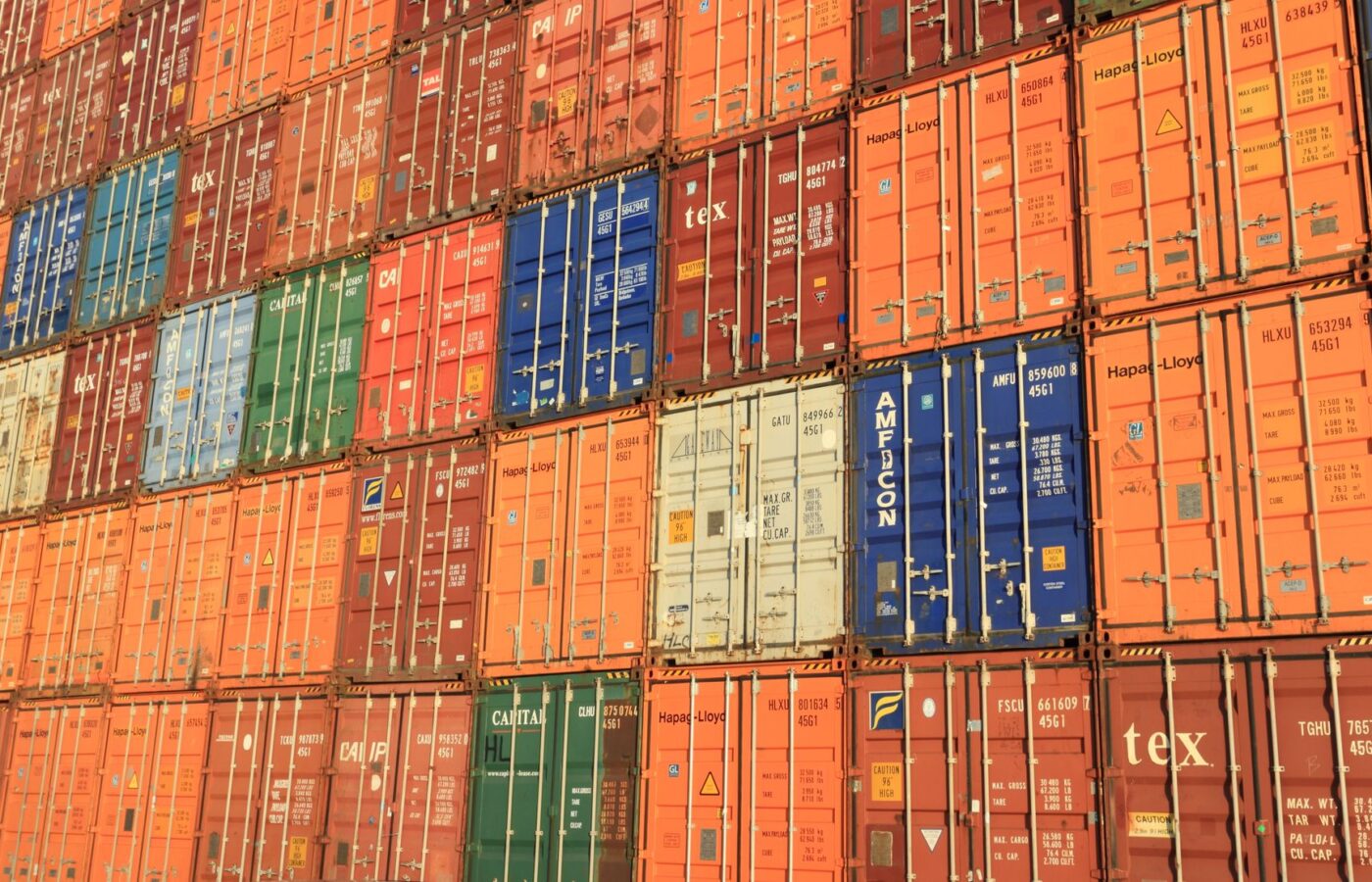
Photo by Pixabay on Pexels
[…] Ag Export Growth: Proven Opportunities in Africa and Asia · ICE Detainee Locator: Worst Removal of Thousands · Are Banking Transactions the Best Way to Manage Money? […]