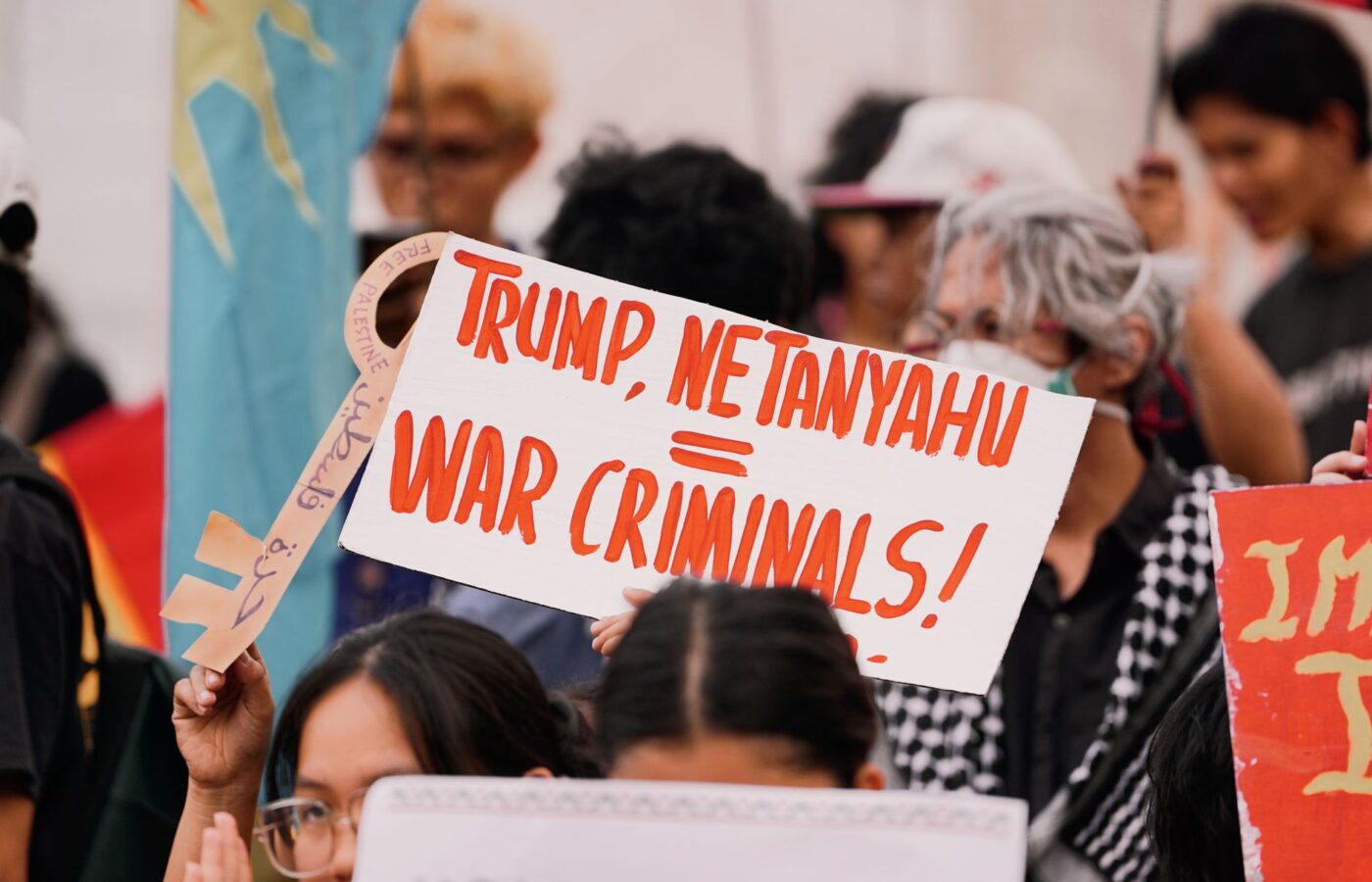
Trump Iran UN Speech: The Worst Threatening Remarks

Trump Iran UN speech has raised eyebrows as he threatens to ‘annihilate’ Iran during a recent address at the United Nations.
Overview of Trump’s Speech
In a recent address at the United Nations, President Trump delivered a speech that has drawn widespread attention for its aggressive tone towards Iran. The speech was marked by strong rhetoric, as Trump threatened to “annihilate” Iran if it posed a danger to the United States or its allies. This declaration raised eyebrows among international observers and officials present at the UN.
During the speech, Trump emphasized several key points:
- He reiterated his administration’s stance on Iranian nuclear capabilities, stating that Iran’s pursuit of nuclear weapons is unacceptable.
- Trump called out the Iranian government for its involvement in regional conflicts, accusing it of destabilizing actions that threaten global peace.
- The president also highlighted the need for unity among UN member states to confront what he described as Iran’s aggression.
While the speech aimed to rally support against Iran, it also coincided with high-level meetings between officials from both countries on the sidelines, raising questions about the potential for diplomatic dialogue amidst escalating tensions. The remarks have been interpreted as some of the most threatening in recent years regarding U.S.-Iran relations.
Iran’s Response to Threats
In the wake of Trump’s incendiary remarks during his UN speech, Iran has responded with a mix of defiance and condemnation. Iranian officials have characterized Trump’s threats as reckless and counterproductive, asserting that such rhetoric only serves to escalate tensions rather than foster dialogue.
Iran’s Foreign Minister, Mohammad Javad Zarif, stated that the United States is attempting to intimidate Iran through aggressive posturing. He emphasized that Iran would not be swayed by threats, asserting the nation’s right to defend itself against any aggression.
Moreover, Iranian President Ebrahim Raisi condemned the speech, referring to Trump’s comments as part of a broader pattern of hostility against Iran. He called for a united response from the international community, urging nations to challenge what he described as unilateralism.
In light of these tensions, analysts suggest that diplomacy is becoming increasingly difficult. The international community is now watching closely as both nations navigate this fraught situation, with the potential for further escalation following Trump’s Iran UN speech remaining a critical concern.
Implications for US-Iran Relations
The recent Trump Iran UN speech has sparked significant concern regarding the future of US-Iran relations. The President’s aggressive rhetoric, including threats to “annihilate” Iran, raises questions about the stability of diplomatic engagements between the two nations.
Following the speech, several implications have emerged:
- Increased Tensions: Trump’s remarks could escalate existing tensions, leading to a more confrontational stance from Iran in international forums.
- Impact on Negotiations: Efforts to negotiate a peaceful resolution to conflicts may be severely hindered, as Iran may perceive the threats as a breakdown in dialogue.
- Global Perception: The speech could alter how other countries view both the US and Iran, potentially isolating the US further on the global stage.
- Military Posturing: Iran may respond to the threats with military posturing, increasing the risk of conflict in the region.
As the world watches, the ramifications of Trump’s incendiary remarks could reshape the landscape of US-Iran relations for years to come.
Analysis of UN Reactions
The reactions to Trump’s Iran UN speech have been varied, reflecting the complexities of international diplomacy. Many officials expressed concern over his aggressive rhetoric, fearing it could escalate tensions further.
Among the notable responses:
- Global Leaders: Several allied nations emphasized the need for dialogue rather than threats. They urged the United States to reconsider its approach and seek diplomatic solutions.
- United Nations Officials: High-ranking officials within the UN condemned the threatening nature of Trump’s remarks, highlighting that such statements undermine the organization’s efforts to promote peace.
- Human Rights Advocates: Groups advocating for human rights in Iran criticized the speech, arguing that it could lead to increased suffering for ordinary Iranians caught in the geopolitical crossfire.
Moreover, analysts pointed out that Trump’s Iran UN speech could alienate potential allies and hinder future negotiations. The focus on threats rather than constructive dialogue may impact U.S. credibility on the global stage. Therefore, the reactions reflect a widespread apprehension about the potential consequences of such confrontational language.
Historical Context of US-Iran Tensions
The historical context of US-Iran tensions dates back several decades, shaped by a complex interplay of political, social, and military factors. The 1979 Iranian Revolution marked a significant turning point, leading to the overthrow of the US-backed Shah and the establishment of the Islamic Republic of Iran. This shift resulted in the severance of diplomatic ties and the beginning of a strained relationship characterized by mutual distrust.
Throughout the 1980s, the Iran-Iraq War further complicated matters, as the US supported Iraq in an effort to counter Iran’s influence in the region. The downing of Iran Air Flight 655 by a US naval vessel in 1988 exacerbated tensions, contributing to a legacy of animosity between the two nations.
In recent years, the situation has escalated with the US withdrawal from the Iran nuclear deal in 2018, which was seen as a pivotal moment. Trump’s Iran UN speech, where he made threatening remarks, underscores the ongoing volatility and the potential for conflict, as officials from both countries continue to navigate this fraught relationship.
With each passing year, the historical grievances and geopolitical interests only deepen the divide.
Future of Diplomatic Talks
The recent Trump Iran UN speech has raised serious concerns about the future of diplomatic talks between the United States and Iran. Following the aggressive rhetoric displayed during his address, many experts fear that meaningful dialogue may be jeopardized.
Despite the ongoing tensions, some analysts believe there is still a potential path forward. They suggest that both countries could benefit from channeling their efforts into negotiation instead of confrontation. However, the following factors could significantly impact the feasibility of such discussions:
- Escalating Hostilities: Trump’s threatening remarks may provoke a more aggressive stance from Iran, making any diplomatic overtures more difficult.
- International Reactions: The reactions of other nations and allies could either isolate Iran further or encourage a more collaborative approach.
- Internal Pressures: Domestic politics in both the U.S. and Iran may hinder the leaders’ ability to pursue constructive talks.
As the dust settles from Trump’s speech, the question remains: can both nations move past the brinkmanship and engage in fruitful diplomatic negotiations, or are they destined for further conflict?
The Trump Iran UN speech drew widespread criticism for its aggressive tone and threatening remarks. Many analysts believe that this Trump Iran UN speech could escalate tensions between the United States and Iran further.
Photo by Mico Medel on Pexels
[…] Trump Iran UN Speech: The Worst Threatening Remarks · PS Plus Discount: Best Indie Game Deal for PS5 · Trump U.N. General Assembly: Clear Insights on Global Diplomacy […]