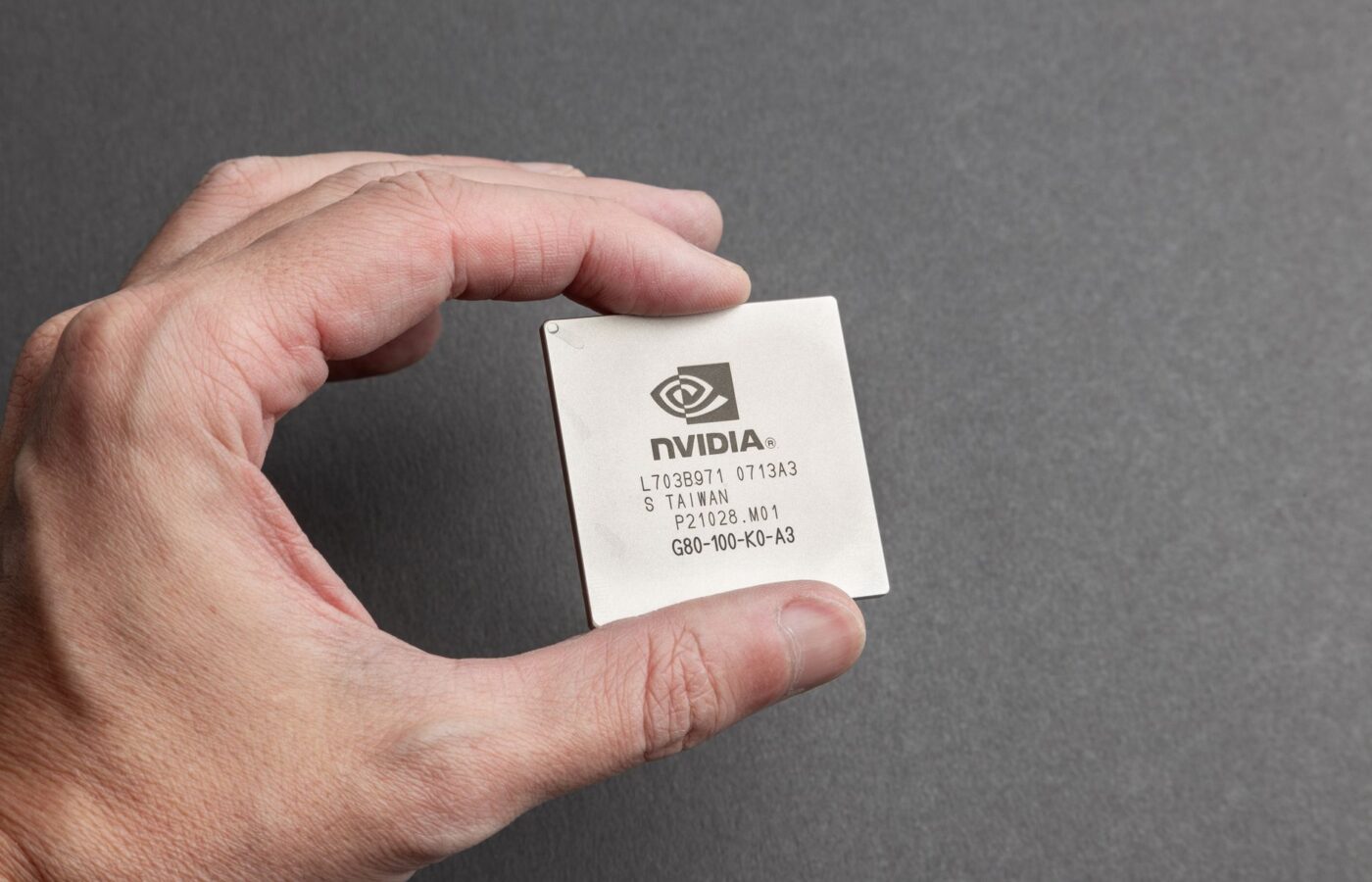
AI Chips Energy Efficiency: The Best Proven Breakthrough

AI chips energy efficiency is set to improve dramatically thanks to a breakthrough in magnetism. This innovation promises to reduce power consumption significantly, making AI technology more sustainable and accessible.
Understanding AI Chips
AI chips are specialized processors designed to handle the unique demands of artificial intelligence applications. These chips play a crucial role in enabling faster computations, which are essential for tasks such as machine learning and data analysis.
One of the most significant challenges facing the development of AI chips is energy efficiency. As AI models grow in complexity, the energy consumption of these chips can become a limiting factor in their deployment. This has led researchers to explore innovative solutions to enhance the energy efficiency of AI chips.
Recent breakthroughs in magnetism have opened new avenues for reducing the power needed by these processors. By harnessing advanced magnetic materials, scientists aim to create AI chips that can operate with dramatically lower energy consumption while maintaining high performance levels.
As the demand for AI continues to surge, improving AI chips’ energy efficiency is essential for sustainable growth in the industry. A focus on these advancements will not only aid in the development of more powerful devices but also contribute to reducing their environmental impact.
The Role of Magnetism in AI
Recent advancements in magnetism have the potential to revolutionize the energy efficiency of AI chips. These chips, which power various artificial intelligence applications, require significant energy to operate effectively. However, leveraging magnetic materials can lead to substantial reductions in energy consumption.
Researchers have discovered that incorporating magnetism into AI chip designs can enhance performance while simultaneously decreasing energy usage. This is achieved through the manipulation of magnetic states, which allows for faster processing speeds and lower power requirements.
Key benefits of using magnetism in AI chips include:
- Increased Performance: Magnetic switching can enable quicker data processing.
- Reduced Heat Generation: Lower energy usage leads to less heat production, improving chip longevity.
- Enhanced Scalability: More efficient designs can accommodate future technological advancements.
As the demand for AI capabilities grows, improvements in AI chips’ energy efficiency through magnetism will be crucial for sustainable technology development.
How Energy Efficiency Improves Performance
Energy efficiency is crucial in enhancing the performance of AI chips. When AI chips consume less energy, they can operate at higher speeds without overheating, enabling faster data processing and improved overall functionality. By optimizing energy usage, manufacturers can also reduce operational costs, making advanced AI technologies more accessible.
Recent advancements in magnetism have demonstrated how energy efficiency can be achieved in AI chip design. This breakthrough allows for better management of electrical currents within the chips, minimizing wasted energy and maximizing computational power.
The benefits of energy-efficient AI chips extend beyond performance:
- Lower emissions: Reducing energy consumption contributes to a smaller carbon footprint.
- Extended lifespan: Less heat generation can prolong the life of AI hardware.
- Cost savings: Companies can significantly decrease energy bills over time.
In conclusion, harnessing energy efficiency not only enhances the performance of AI chips but also promotes sustainable practices in technology development.
Implications for Future Technologies
The recent breakthrough in magnetism holds significant implications for future technologies, particularly in the realm of AI chips energy efficiency. As the demand for advanced artificial intelligence continues to rise, the need for chips that can process information with minimal energy consumption becomes crucial.
With improved energy efficiency, several sectors stand to benefit:
- Consumer Electronics: Devices such as smartphones and laptops can operate longer on a single charge, enhancing user experience.
- Data Centers: Reduced energy costs will lead to more sustainable operations, allowing companies to invest in further innovations.
- Automotive Technology: Electric vehicles can achieve longer ranges, contributing to a greener environment.
- Healthcare: Wearable devices that monitor health metrics can function reliably without frequent recharging.
As researchers continue to explore the potential of magnetism in AI chips, the possibilities for energy-efficient solutions across various industries appear promising and transformative.
Comparing Traditional vs. New AI Chips
As the demand for artificial intelligence continues to surge, the comparison between traditional AI chips and newer models reveals significant advancements in energy efficiency. Traditional AI chips, while effective, often consume substantial power, leading to increased operational costs and environmental concerns.
In contrast, the latest AI chips leverage innovative magnetism techniques that enhance energy efficiency without compromising performance. This breakthrough allows them to process vast amounts of data with much lower energy consumption. The following are key differences:
- Power Consumption: Traditional chips typically require more energy, while new AI chips utilize advanced materials to reduce energy usage.
- Processing Speed: New chips maintain or even exceed the performance levels of their predecessors, all while consuming less power.
- Heat Generation: Improved energy efficiency in new AI chips means reduced heat output, leading to better longevity and stability.
Ultimately, the innovations in AI chips’ energy efficiency are paving the way for a more sustainable future in technology, benefiting both consumers and the environment.
What This Means for Consumers
The recent advancements in AI chips energy efficiency have significant implications for consumers. As these chips become increasingly energy-efficient, users can expect enhanced performance without a corresponding increase in energy costs. This translates to lower electricity bills and a reduced carbon footprint for households and businesses alike.
Moreover, improved energy efficiency means that devices powered by these chips can operate longer on a single charge, which is particularly beneficial for mobile gadgets such as smartphones and laptops. Consumers will enjoy longer usage times, making their devices more reliable for daily tasks.
Additionally, as manufacturers adopt these energy-efficient AI chips, the overall cost of production may decrease, potentially leading to lower prices for consumers. This shift not only benefits individual users but also supports a broader transition towards sustainable technology, aligning with global efforts to reduce energy consumption and environmental impact.
- Lower electricity bills
- Longer device usage times
- Potentially lower device prices
As the demand for faster processing power grows, researchers are focusing on enhancing AI chips energy efficiency. Recent innovations have shown promising results in significantly reducing power consumption while maintaining high performance levels, highlighting the importance of AI chips energy efficiency in modern computing.
Photo by Stas Knop on Pexels
Sources
You might also like
Microsoft services outage: Quick recovery after global issue · Anthracycline Chemo Effects: Is It the Worst for Survivors? · Nvidia shares tumble: Worst leadership crisis updates
[…] AI Chips Energy Efficiency: The Best Proven Breakthrough · Microsoft services outage: Quick recovery after global issue · Anthracycline Chemo Effects: Is It the Worst for Survivors? […]