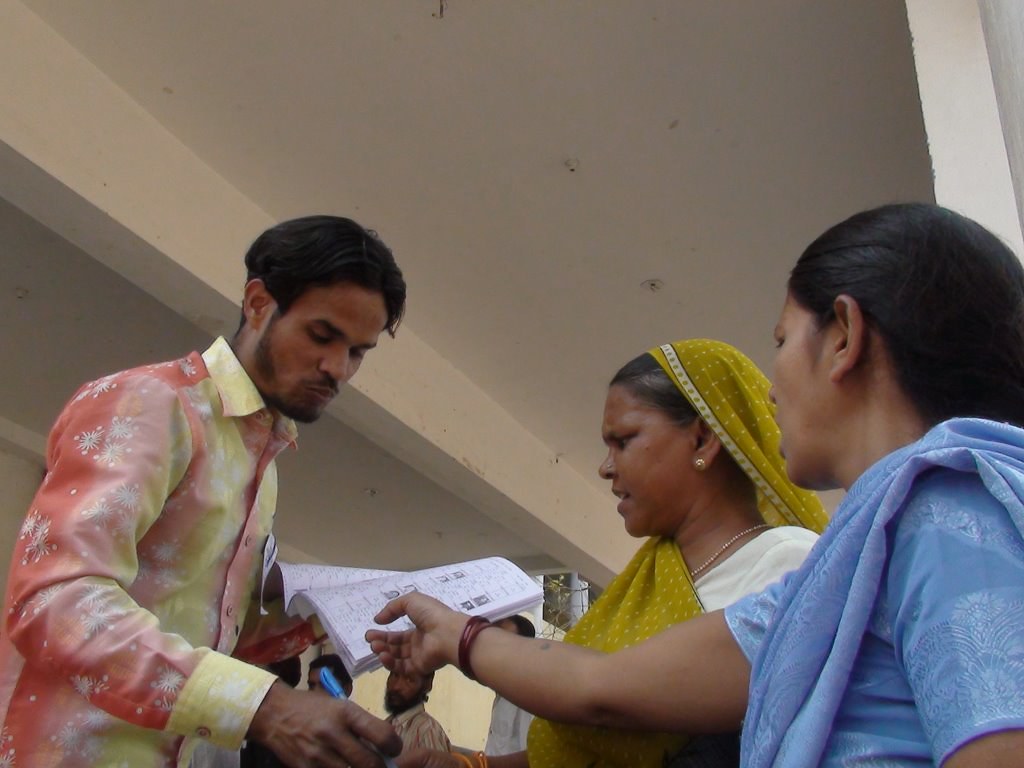
India voter rolls: The Right Fight for Voter Rights

India voter rolls are being rewritten, sparking a significant fight over who gets to vote. This ongoing debate has spilled into the streets, highlighting the complexities of voter rights in the country.
Understanding the Changes to India Voter Rolls
Recent developments regarding the India voter rolls have sparked significant debate across the nation. As the government undertakes a comprehensive revision of these rolls, various stakeholders are raising concerns over the implications for voter representation.
Many citizens are questioning the criteria used for inclusion and exclusion, with fears that certain groups may be disenfranchised. This has led to a series of protests and public discussions aimed at ensuring transparency in the process.
- Increased Scrutiny: Activists argue that the changes lack clarity and may affect marginalized communities.
- Legal Challenges: Several organizations are preparing to challenge the revisions in court, aiming to protect voting rights.
- Public Engagement: Grassroots movements are mobilizing to educate voters about the importance of checking their status on the rolls.
As the situation evolves, the future of the India voter rolls remains a critical issue for democracy in the country.
The Impact of Voter Roll Revisions
The recent revisions to India voter rolls have sparked significant debates across the nation, impacting various demographics. Critics argue that the changes may disenfranchise certain groups, particularly marginalized communities.
As authorities attempt to streamline the electoral process, the following points highlight the implications of these revisions:
- Increased Accessibility: Proponents believe that updated voter rolls can enhance electoral participation by making registration more accessible.
- Potential Exclusions: Concerns have been raised regarding the removal of names, especially among those lacking proper identification.
- Community Engagement: Grassroots movements are emerging as communities mobilize to ensure all eligible voters are represented.
In light of these developments, the fight for voter rights in India continues to gain momentum, emphasizing the crucial role of accurate voter rolls in a healthy democracy.
Public Reactions to Voter Rights
Public reactions to the recent revisions of India voter rolls have sparked significant debate across the nation. Citizens have taken to the streets, voicing their concerns over eligibility criteria and the implications for democratic participation. Many argue that the changes could disenfranchise vulnerable populations, including marginalized communities and first-time voters.
A survey conducted by local organizations revealed that:
- 62% of respondents were unaware of the new criteria for voter registration.
- 75% expressed concern about the potential for discrimination in the voter roll process.
- 54% believe that transparency in the voter roll updates is crucial for maintaining public trust.
Activists are urging the government to ensure that the revisions to the India voter rolls promote inclusivity rather than exclusion. As protests continue, the fight for voter rights remains a central issue in shaping the future of Indian democracy.
Legal Challenges Surrounding Voting Access
As India navigates the complexities of updating its voter rolls, several legal challenges have emerged, highlighting the ongoing struggle for voting access. Numerous petitions have been filed in various courts, questioning the legitimacy of the recent changes made to the India voter rolls.
These challenges primarily focus on the following issues:
- Eligibility Criteria: Concerns have been raised regarding the criteria used to determine voter eligibility, with claims that certain groups are being unfairly excluded.
- Transparency: Critics argue that the process lacks transparency, making it difficult for citizens to understand how decisions are made.
- Timeliness: Delays in updating and releasing the voter rolls have sparked frustrations among potential voters, affecting their ability to participate in upcoming elections.
As these legal battles unfold, they underscore the importance of ensuring equitable access to the electoral process for all citizens.
Future of Elections in India
As India continues to update its voter rolls, the future of elections is set to undergo significant transformations. Ensuring that every eligible citizen has access to the democratic process is crucial for the country’s political landscape. The revisions to India voter rolls aim to enhance transparency and inclusivity, yet they also present challenges that need to be addressed.
Key factors that will shape the future of elections include:
- Technological Integration: The use of technology in voter registration and verification can streamline the process but may also raise concerns about data security.
- Public Awareness: Educating citizens about their voting rights and the importance of accurate voter rolls is essential for participation.
- Policy Reforms: Legislative changes may be necessary to protect marginalized groups and ensure equitable access to voting.
Ultimately, the ongoing dialogue around India voter rolls will influence not only the upcoming elections but also the very foundation of democracy in the nation.
By Al Jazeera English via Openverse
[…] India voter rolls: The Right Fight for Voter Rights · Babar Azam Dropped: The Worst Decision for Pakistan’s T20I · European Space Agency: Is This Cooperation the Best Move? […]