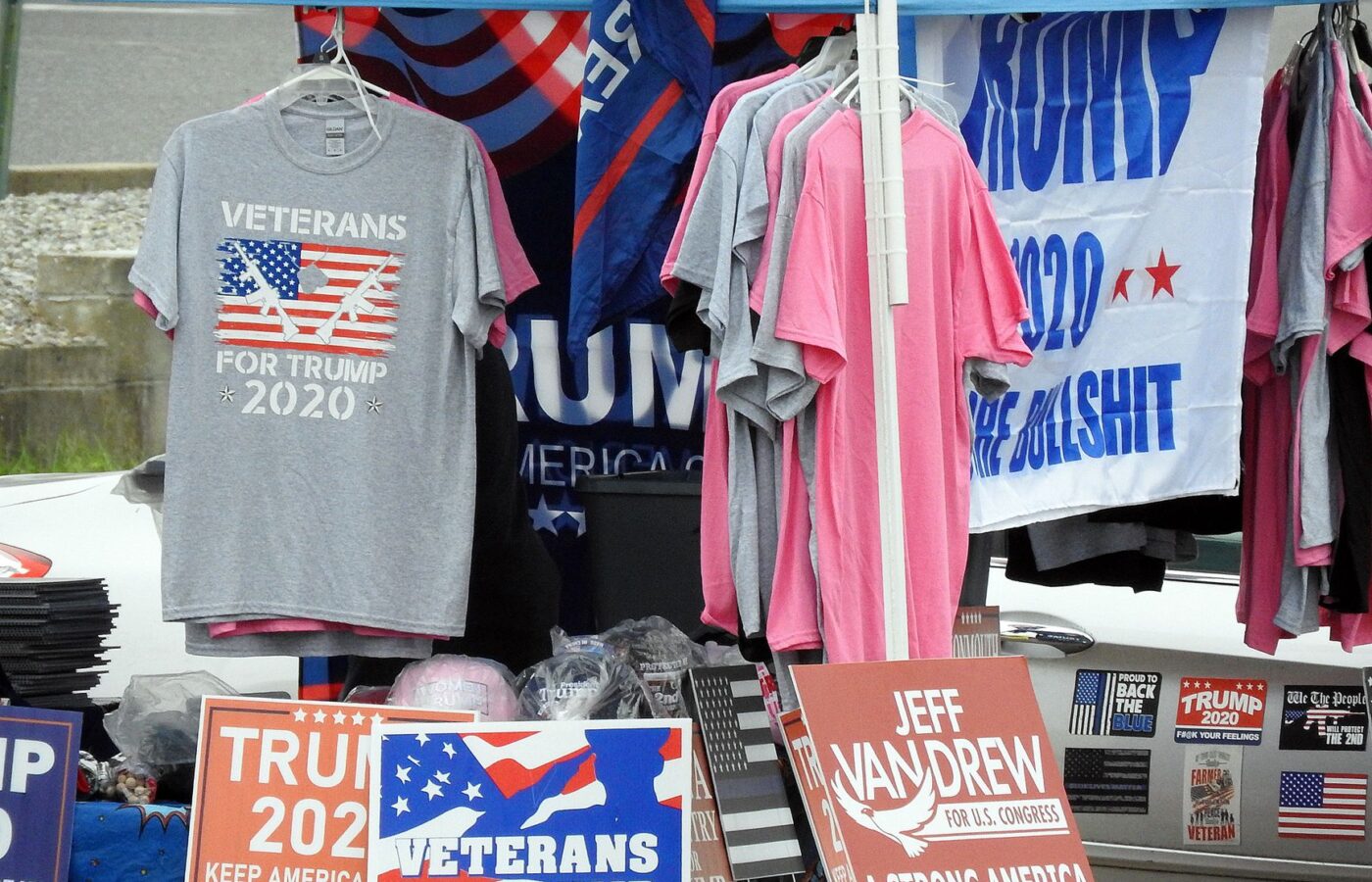
Trump coalition Republicans face clear challenges ahead

Trump coalition Republicans are navigating a turbulent political landscape following recent developments. As the coalition appears to be shattered, many are left wondering what the future holds for the Republican Party.
Understanding the Trump Coalition
The Trump coalition Republicans have been a formidable force in American politics, yet recent events have revealed significant fractures within this alliance. As traditional conservatives, populists, and various interest groups unite under the banner of Trumpism, they face challenges that threaten their cohesion.
Key factors contributing to this fragmentation include:
- Ideological Differences: The varying priorities among the coalition members can create conflicts, as some factions prioritize economic issues while others focus on social policies.
- Leadership Struggles: With Trump’s influence waning in some circles, potential successors may struggle to maintain the loyalty of the coalition.
- Electoral Risks: As Republican candidates navigate primary battles, the division within the coalition could impact their chances in general elections.
Ultimately, the future of the Trump coalition Republicans depends on their ability to address these challenges and remain united.
Impact on Republican Strategies
The dynamics of the Republican Party are shifting as the Trump coalition Republicans encounter significant challenges ahead. This evolving landscape has prompted party leaders to reconsider their strategies in order to maintain electoral competitiveness.
Key factors influencing these strategies include:
- Voter Fragmentation: The once-united base is now experiencing divisions, necessitating a more inclusive approach to appeal to various factions.
- Policy Priorities: Balancing traditional Republican values with the populist sentiments that fueled Trump’s rise remains a crucial challenge.
- Election Tactics: Adapting campaign strategies to engage younger voters while retaining loyal supporters will be essential for future success.
As the Republican Party navigates this turbulence, the effectiveness of their responses will determine their viability in upcoming elections.
Future of the Republican Party
The future of the Republican Party is uncertain as the Trump coalition Republicans navigate significant challenges. The dynamics within the party are shifting, and members must address several key issues to unify and advance their agenda.
- Party Identity: The division between traditional conservatives and Trump-aligned factions is increasingly pronounced, raising questions about the party’s core values.
- Electoral Strategy: As upcoming elections approach, the ability to mobilize voters remains critical, especially in swing districts where the Trump coalition may not resonate as strongly.
- Public Perception: The party faces scrutiny from both supporters and critics, necessitating strategic communication to rebuild trust and credibility.
- Policy Direction: Establishing a clear policy agenda that reflects the diverse interests within the party is essential for long-term sustainability.
Ultimately, the future trajectory of the Republican Party will depend on how effectively Trump coalition Republicans address these challenges.
Key Figures in the Coalition
The Trump coalition Republicans rely on encompasses a diverse group of key figures, each playing a crucial role in its dynamics. Among them are:
- Donald Trump: The central figure who continues to influence party direction and voter sentiment.
- Marjorie Taylor Greene: A vocal supporter whose alignment with Trump energizes a segment of the base.
- Kevin McCarthy: The House Speaker, tasked with navigating the challenges of party unity amidst differing factions.
- Ron DeSantis: The Florida Governor, seen as a potential rival to Trump but also part of the coalition’s broader strategy.
- Josh Hawley: A Senator whose appeal to populist sentiments resonates with many Trump supporters.
As these figures grapple with internal divisions, the future of the Trump coalition Republicans remains uncertain amid shifting political landscapes.
Public Reaction to Changes
Public reaction to the recent changes within the Trump coalition Republicans has been mixed, reflecting a deep divide among party members and supporters. Many loyalists express concern over the coalition’s ability to maintain unity, while others are hopeful for a redefined strategy moving forward.
Key sentiments emerging from various factions include:
- Support for Trump: A significant portion of the base remains steadfast in their support for Trump, viewing him as the party’s best chance for future success.
- Calls for Change: Some Republicans advocate for a shift in focus, arguing that the party needs to appeal to a broader audience beyond Trump’s core supporters.
- Concerns over Extremism: Critics within the party worry that the Trump coalition Republicans may alienate moderate voters due to extreme positions.
As the party navigates these challenges, the path forward remains uncertain.
Historical Context of Political Coalitions
Political coalitions have shaped the landscape of American politics for decades, often reflecting the evolving priorities and demographics of the electorate. The Trump coalition Republicans emerged as a formidable force during the 2016 election, uniting diverse groups including populists, evangelicals, and disaffected voters. However, historical precedents show that such coalitions can be fragile. Throughout U.S. history, political alliances have faced significant challenges, often fracturing due to internal disagreements or shifts in public sentiment.
As seen in previous coalitions, maintaining unity is crucial for achieving long-term success. The current state of the Trump coalition Republicans highlights the difficulty in sustaining a cohesive platform. Factors such as changing voter demographics and varying regional interests pose additional hurdles. Furthermore, the shifting political landscape necessitates adaptability and a reevaluation of priorities to ensure the coalition remains relevant and effective moving forward.
Next Steps for Republicans
As the Trump coalition Republicans navigate the aftermath of recent political shifts, several key actions are necessary to stabilize their influence. First, party leaders must engage in open dialogues with various factions to rebuild trust and unity.
Additionally, they should prioritize outreach to disaffected voters, particularly those who feel alienated by the current political landscape. This can involve:
- Hosting town hall meetings to foster community engagement.
- Implementing policies that resonate with the core values of the coalition.
- Addressing economic concerns that impact everyday Americans.
Moreover, strategizing for upcoming elections will be crucial, as the coalition’s ability to adapt and respond to challenges will determine its future. By focusing on grassroots mobilization and leveraging social media, Trump coalition Republicans can effectively rebuild their base while addressing the evolving needs of the electorate.
Photo by Allen Beilschmidt sr. on Pexels
[…] Trump coalition Republicans face clear challenges ahead · GTA 6 PS5 Edition: Exciting First Look with Proven Details · Ramayana box office: Best proven success for Yash’s film […]